
Is Dota 2 Worth Playing in 2026?
Dota 2 remains one of the deepest and most competitive multiplayer games available, but its steep learning curve can make new and returning players wonder whether it is still worth the time in 2026. With more than a hundred heroes, complex item builds, demanding team coordination, and countless strategic possibilities, it offers far more depth than most traditional MOBAs.
That complexity is also what makes Dota 2 difficult to recommend to everyone. Matches can be intense, mistakes are heavily punished, and becoming comfortable with the game requires patience. However, players who enjoy mastering complicated systems, improving their mechanics, and learning new strategies can find an experience that stays rewarding for years.
So, is Dota 2 worth playing in 2026? In this article, we will examine its gameplay, learning curve, community, time commitment, cost, and overall player experience to help you decide whether Valve’s iconic MOBA is the right game for you.
The Dota 2 Experience in 2026
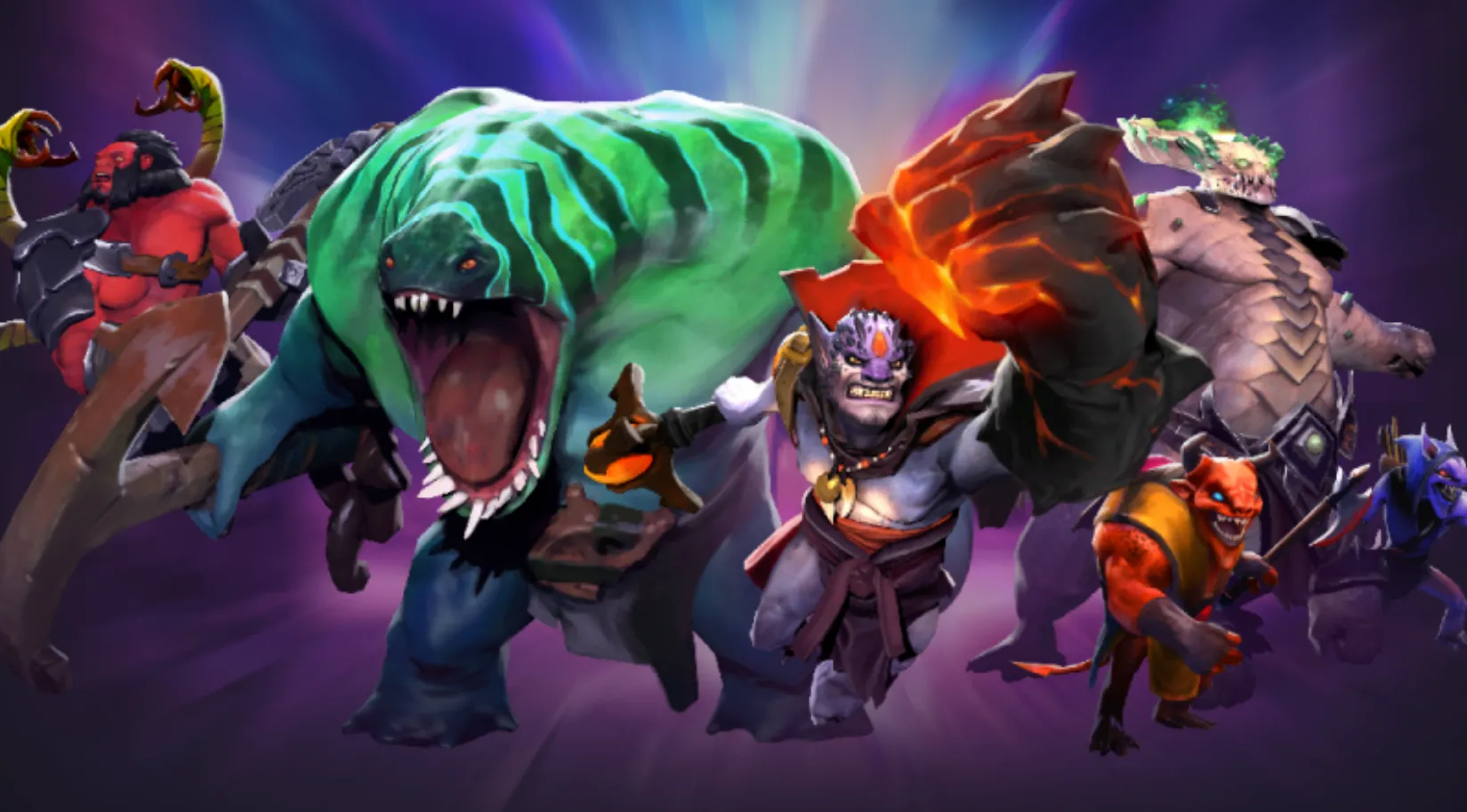
Dota 2 in 2026 still offers one of the deepest and most rewarding multiplayer experiences in gaming. Its huge hero roster, complex item system, flexible roles, and constantly changing strategies make every match feel different. Even after hundreds of hours, there is always something new to learn.
The game rewards much more than quick reactions. Good decision-making, map awareness, farming efficiency, positioning, drafting, and teamwork are all essential. This gives Dota 2 an extremely high skill ceiling and makes improvement feel meaningful, especially for players who enjoy competitive games with long-term depth.
At the same time, Dota 2 can be difficult for beginners. New players must learn dozens of heroes, hundreds of abilities and items, different lane roles, and many important map mechanics. Matches can also be long and frustrating when teammates do not communicate or when the enemy team gains an early advantage.
Despite its demanding learning curve, the overall Dota 2 experience in 2026 remains excellent for players who enjoy strategy, competition, and mastering complicated systems. It is not the most casual MOBA, but few games offer the same level of freedom, variety, and satisfaction when a difficult plan finally works.
Time Expenditure
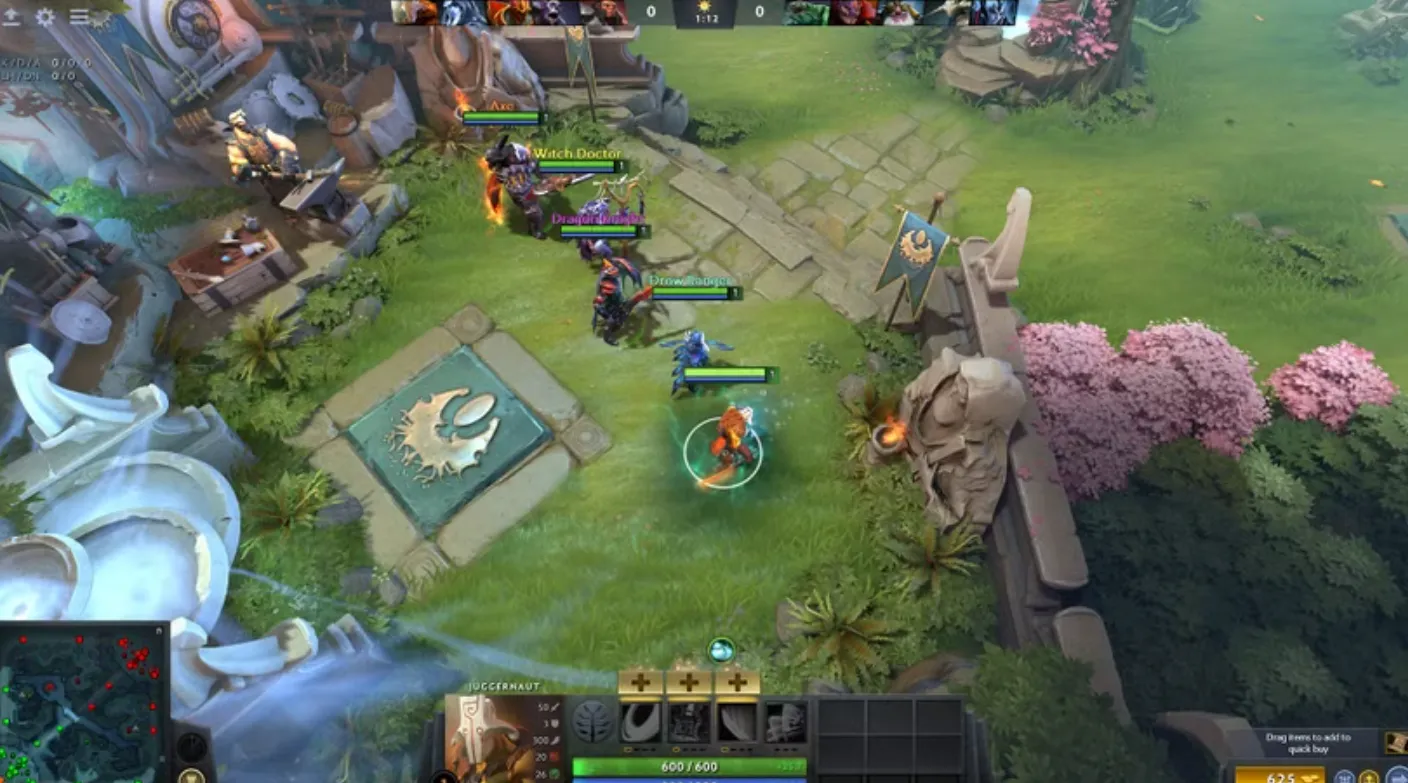
The amount of time you need to invest in Dota 2 depends heavily on whether you plan to play casually or climb the ranked ladder. It is possible to enjoy a match occasionally, but learning the game properly requires patience because of its large hero roster, complicated item system, and strategic depth.
A standard Dota 2 match commonly lasts around 35 to 50 minutes, although closely contested games can continue for more than an hour. Unlike games with short rounds or quick surrender options, leaving a match early can negatively affect your account and teammates, so you should only queue when you have enough uninterrupted time to finish.
Players looking for shorter sessions can choose Turbo mode, which speeds up gold and experience gains while making towers easier to destroy. Turbo matches retain the core Dota 2 combat and objectives but usually reach their conclusion much faster, making the mode more convenient when you cannot commit to a complete standard match.
Becoming genuinely good at Dota 2 requires a much larger investment. You must learn hero abilities, lane matchups, farming patterns, item builds, map awareness, vision control, drafting, and teamfight positioning. Understanding the basics may take dozens of hours, while mastering the game can easily require hundreds or even thousands.
Despite this demanding learning curve, Dota 2 does not force you to play every day. You can enjoy occasional unranked or Turbo matches, or dedicate longer sessions to ranked improvement. For players who appreciate deep competitive games and do not mind longer matches, the time invested in Dota 2 can feel highly rewarding.
Cost
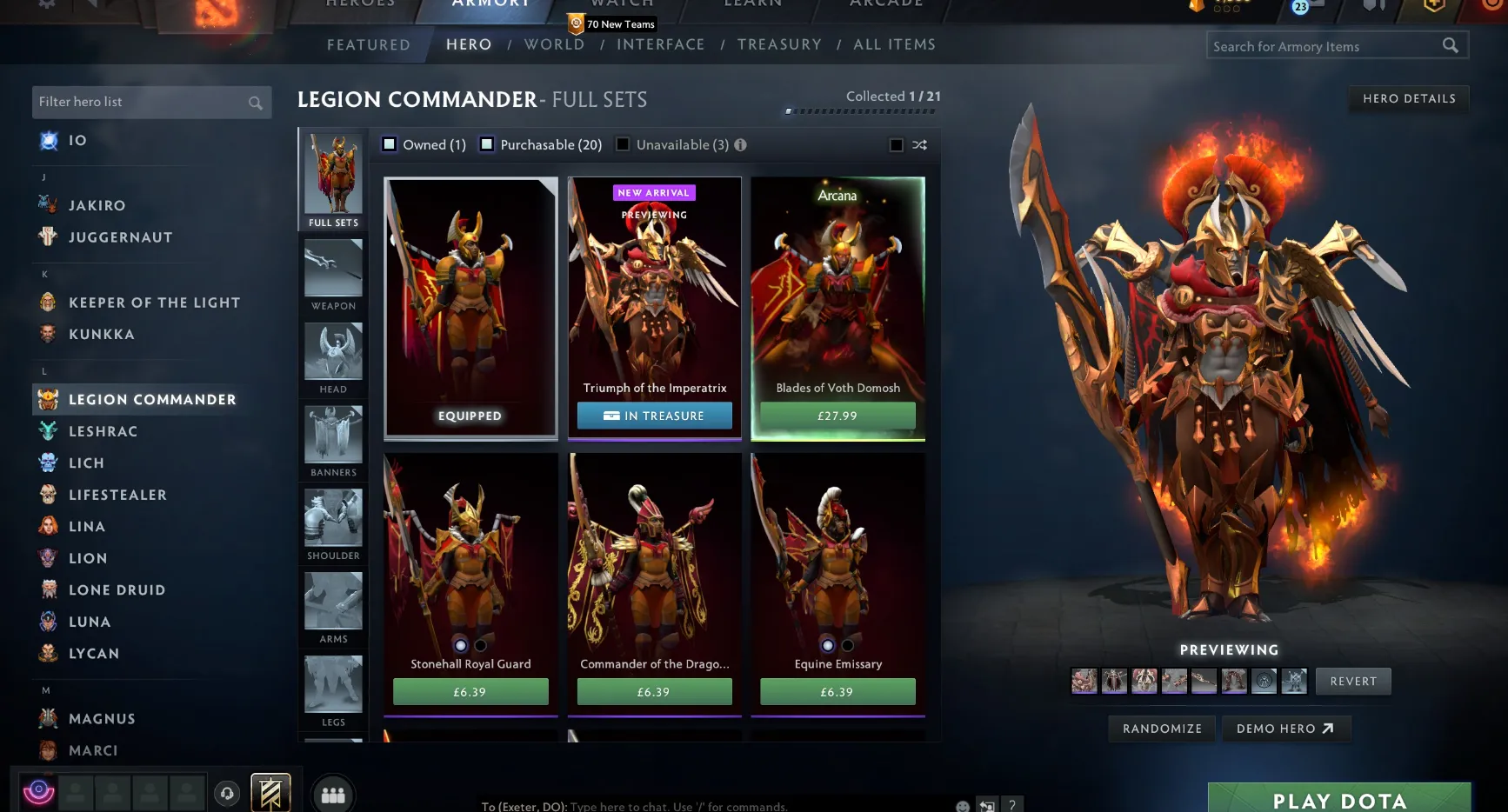
Dota 2 is completely free to play, allowing new players to download the game and access its main modes without paying anything. Standard matches, ranked play, custom games, heroes, items, and core gameplay systems are available at no cost, making it easy to experience everything the game has to offer before spending money.
Unlike many competitive games, Dota 2 does not require players to purchase or unlock heroes. Everyone has access to the full hero roster, which keeps the competitive experience fair and gives players the freedom to experiment with different roles, strategies, and team compositions from the beginning.
Most paid content in Dota 2 is cosmetic. Players can purchase hero skins, couriers, announcer packs, loading screens, voice lines, and other visual upgrades. These items can make matches feel more personalized, but they do not increase damage, improve stats, or provide a competitive advantage.
Dota 2 may also offer optional passes, events, or premium features that reward active players with additional cosmetics and collectibles. These purchases can be appealing to longtime fans, but they are never required to play ranked matches, improve your skills, or enjoy the core experience.
From a cost perspective, Dota 2 is worth playing in 2026 because it provides an enormous amount of competitive content for free without becoming pay-to-win. You can learn every hero, climb the ranked ladder, and enjoy thousands of hours of gameplay without spending money. However, cosmetic collecting can become expensive, so purchases are best treated as optional extras rather than essential parts of the game.
Is Dota 2 Worth Playing?
Dota 2 is worth playing in 2026 for anyone who enjoys competitive games with deep strategy, difficult mechanics, and a high skill ceiling. Its huge hero roster, flexible item builds, and constantly changing match situations give it far more long-term variety than most multiplayer games.
The biggest advantage is how rewarding improvement feels. Learning better farming patterns, positioning, drafting, map movement, and item choices can noticeably change your results. Dota 2 rarely feels repetitive because every match depends on the heroes selected, the players involved, and the decisions made throughout the game.
However, it is not the best choice for everyone. New players must overcome a steep learning curve, matches can last a long time, and poor teamwork can make losses frustrating. Dota 2 requires patience, and it may take dozens of hours before the basic systems begin to feel comfortable.
For casual players, unranked matches and Turbo mode provide less demanding ways to enjoy the game. More competitive players can spend hundreds of hours mastering specific roles and climbing ranked. Since every hero and core gameplay feature is available for free, there is little financial risk in trying it.
Overall, Dota 2 remains worth playing if you want a challenging MOBA that rewards strategy, teamwork, and constant learning. Players looking for quick and simple entertainment may prefer something else, but those willing to invest time can find one of the most satisfying competitive games available.
Conclusion
So, is Dota 2 worth playing in 2026? For players who enjoy competitive MOBAs, complex strategy, teamwork, and constant improvement, the answer is yes. Its enormous hero roster, flexible item builds, and unpredictable matches provide enough depth to keep the game interesting for years.
However, Dota 2 requires patience. The steep learning curve, long match times, and reliance on teammates can make the early experience frustrating. It is not the best option for players looking for a simple or relaxing multiplayer game.
Despite these challenges, Dota 2 remains one of the most rewarding free-to-play games available. Since every hero and core gameplay feature is accessible without spending money, there is little risk in giving it a try. Players willing to learn its systems will find a highly competitive experience with almost unlimited room for improvement.
Posted On: July 23rd, 2026
Recent Articles


💬 Need help?
Our 1v9 support team is available 24/7 to help you with any questions or issues you may have.
support@1v9.gg
Loading...
1v9.gg is not endorsed or affiliated by any game developers or publishers.
2025 1v9, All Rights Reserved, Created By NightDev